
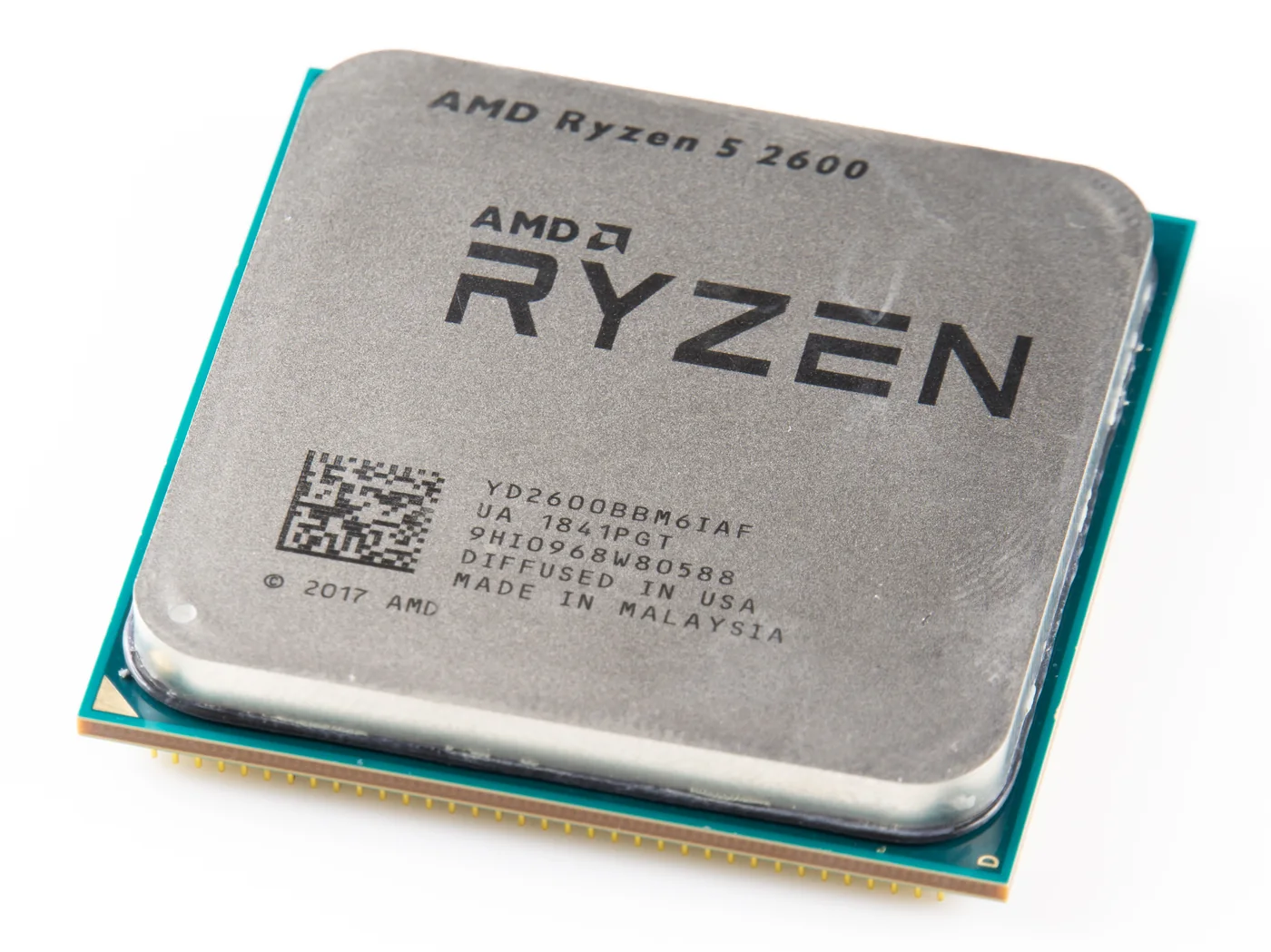
The short answer: AMD has told its partners that chip prices go up roughly 10 percent from the fourth quarter of 2026. Graphics cards, chipsets and motherboards are in scope. Ryzen processors look spared for now, though nobody is calling that permanent. The cause is higher foundry wafer costs, not a sudden rush of demand.
What is actually going up
The rise covers graphics silicon, chipsets and the motherboards built around them. That last one matters more than it sounds. A motherboard price rise is easy to shrug off when you are staring at GPU numbers, but it lands on every single build, including the cheap ones where a 40 dirham swing is a real part of the budget.
Ryzen desktop processors are reportedly being held at current pricing for the moment. Treat that as a reprieve rather than a promise. When foundry costs climb across a whole product stack, the parts that were spared in the first round tend to catch up in the second.
Why it is happening
This is a cost story, not a demand story, and the difference matters for anyone deciding whether to wait. Foundry wafer prices have gone up, and that increase flows downstream to everyone who buys manufacturing capacity. When a price rise comes from demand, it can fall back once the rush passes. When it comes from the cost of making the thing, it tends to stay.
What it does to a UAE build
Ten percent is not catastrophic on its own. The problem is what it stacks on top of. Memory pricing has been climbing hard for months, graphics cards are still trading well above their launch pricing, and now board and chipset costs are moving too. Individually each of these is survivable. Together they quietly reprice an entire build.
Run it on a mid range machine. If your board was 500 dirhams it becomes roughly 550. Add a graphics card that was already inflated before this rise, add memory that has gone up more than anything else in the build, and the same parts list you priced in the summer is now meaningfully more expensive without a single component being upgraded.
Should you buy now
If you were already close to buying: buy. The rise takes effect in the fourth quarter, so current shelf pricing is on borrowed time. There is no version of this where waiting is rewarded, because the pressure behind it is cost, not a temporary shortage.
If you are early in planning: do not panic into a worse build. Ten percent on a board is smaller than the money you lose picking the wrong parts in a hurry. Spend the time, then buy quickly once you know what you want.
If you are watching memory: that remains the ugliest line on any current parts list, and it is the one worth locking in first if you find sensible pricing.
See our GPU picks → Budget build guide → Current prices →
Based on partner notifications reported across the hardware press, 17 September 2026. We will update this page if AMD comments publicly or if Ryzen pricing moves.